
How Much Does a Home Renovation Cost in Horsham? A Local Builder’s Guide
Renovating your home is one of the most impactful investments you can make in a property, but it’s also one of the hardest to budget for. Unlike an extension where the cost relates broadly to the size you’re building, a renovation depends on what’s already there, how much needs changing, what condition the existing structure and services are in, and how far you want to take the specification. Two identical-looking houses on the same Horsham street can have renovation costs that differ by tens of thousands depending on what each one needs once the work begins.
That uncertainty stops people from committing. The worry of spiralling costs and unexpected bills keeps homeowners living with properties that don’t work for them rather than tackling the project that would transform their daily life. This guide sets out realistic renovation costs for different levels of project across Horsham, explains what influences the price, and helps you approach the process with a clear budget and realistic expectations.
What Does a Home Renovation Cover?
Renovation is a broad term that covers anything from refreshing a single room to completely rebuilding the interior of your home. At the lighter end, it might mean replastering and redecorating a living room, replacing a kitchen, or updating a bathroom. At the heavier end, it means stripping the property to bare walls, reconfiguring the layout with structural alterations, installing new electrics and plumbing throughout, fitting new kitchens and bathrooms, plastering every surface, laying new floors, and decorating the entire house.
Most Horsham home renovations sit somewhere in the middle — a combination of some structural work to improve the layout, updated kitchens and bathrooms, selective rewiring and replumbing, new flooring in key areas, and decoration throughout. The scope of your project determines where you land on the cost spectrum, and understanding what each element costs helps you prioritise if the budget doesn’t stretch to everything at once.
Room-by-Room Costs
Breaking the renovation into individual rooms makes the overall cost easier to understand and gives you the flexibility to phase the work if needed.
Kitchen renovations carry the highest room cost in most projects. A mid-range kitchen replacement in the existing layout — new units, worktops, appliances, plumbing, electrics, tiling, and flooring — typically costs between £8,000 and £15,000 including all fitting and finishing. If structural work is involved, such as removing a wall to create open-plan living and fitting a steel beam, the cost rises to £15,000 to £25,000 depending on the extent and specification. Premium kitchens with bespoke units, stone worktops, and significant structural reconfiguration can reach £30,000 to £40,000 or beyond.
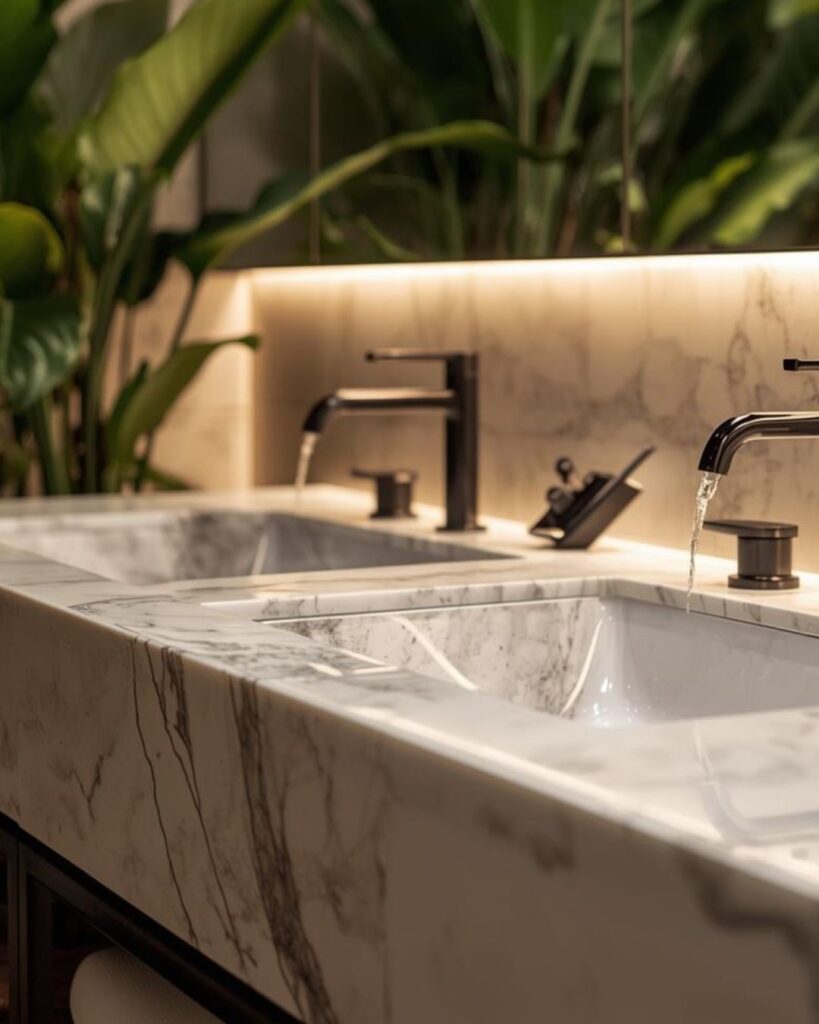
Bathroom renovations range from £3,000 to £5,000 for a basic suite replacement in the existing layout, through £5,000 to £10,000 for a mid-range renovation with quality fixtures and comprehensive tiling, up to £10,000 to £20,000 for a high-end finish with premium sanitaryware, natural stone, underfloor heating, and a walk-in wet room. Most Horsham homeowners renovating a family bathroom land in the mid-range bracket, which delivers a genuinely enjoyable result without excessive spending.
Bedrooms are typically more modest. Replastering, new flooring, decoration, updated lighting, and new doors and ironmongery for a standard double bedroom cost between £1,500 and £3,000. Built-in wardrobes, rewiring, and new radiators add to the figure depending on what the room needs.
Living rooms and dining rooms follow a similar pattern at £2,000 to £4,000 per room for plastering, flooring, decoration, and lighting. Removing the wall between them to create one open space adds £2,500 to £5,000 for structural work including the steel, building control, and making good.
Hallways, stairs, and landings tie the house together and deserve attention even though they’re easy to overlook in the budgeting stage. Replastering, decorating, new flooring, and updated lighting through the circulation spaces of a three bedroom house typically costs between £2,000 and £4,000.
Whole-House Renovation Costs
When you combine individual room costs with the whole-house elements that run across the entire project, total renovation figures fall into broad ranges.
A cosmetic renovation — focused on refreshing surfaces, targeted kitchen and bathroom updates, and decoration throughout without major structural changes — typically costs between £20,000 and £40,000 for a standard three bedroom house in Horsham. This suits homes that are structurally sound with serviceable electrics and plumbing but look dated and feel tired throughout.
A mid-level renovation — involving a new kitchen, new bathroom, structural alterations to improve the ground floor layout, partial rewiring, replumbing where necessary, new flooring in main areas, and full decoration — usually falls between £40,000 and £70,000. This represents the most common level of renovation work we carry out, covering properties that need genuine improvement to their layout, services, and finishes rather than just a lick of paint.
A comprehensive renovation — stripping back to the shell, restructuring the layout, complete rewiring and replumbing, new kitchen and bathrooms, plastering throughout, new flooring everywhere, and decoration from top to bottom — ranges from £70,000 to £120,000 or more depending on the property size and specification. This level suits neglected properties, recent purchases being fully refurbished, or older Horsham homes where the services and interior have reached the end of their working life and piecemeal updating no longer makes sense.
What Drives the Cost?
Several factors push renovation costs up or down beyond your specification choices.
The existing condition of the property is the biggest variable. A house that’s structurally sound with reasonable electrics and plumbing needs less foundational work than one with damp penetration, structural movement, rotten floor joists, outdated wiring, and lead pipework throughout. The worse the starting condition, the more money goes into bringing the property up to a safe, sound baseline before any visible improvements begin.
Property type and age matter considerably in Horsham. The period homes around the Causeway and through the town centre often contain non-standard construction, lath and plaster walls, and services that have been modified multiple times over the decades. The inter-war semis in Roffey and Littlehaven are generally more predictable but regularly need rewiring and replumbing at this stage of their life. The newer housing in developments like Kilnwood Vale is structurally straightforward but may still benefit from layout improvements and kitchen or bathroom upgrades. Each property type carries a different risk profile when it comes to hidden issues and unexpected costs.
Hidden problems are the defining characteristic of renovation work. Opening walls reveals damp that’s spread further than surface signs suggested. Lifting floors uncovers joists that have softened or cracked. Removing old bathrooms exposes water damage to the structure beneath. Stripping ceilings reveals wiring that’s deteriorated beyond what was visible at the consumer unit. These discoveries aren’t failures of planning — they’re an inherent part of working with existing buildings. An experienced builder expects them, budgets for them, and deals with them efficiently rather than treating each one as a crisis.
Specification choices compound across a whole-house project. The difference between standard and premium flooring might be £15 to £25 per square metre, which seems modest in isolation but multiplied across every room in a three bedroom house adds thousands. The same compounding applies to tiles, sanitaryware, kitchen units, door furniture, lighting, and paint quality. Being deliberate about where to invest in premium specification and where a sensible mid-range option serves equally well is the most effective way to manage total costs without compromising the areas that matter most to you.
Getting the Best Value from Your Renovation
Invest in a thorough assessment before committing to a budget. Understand the condition of the structure, the electrics, the plumbing, and any damp issues before your builder provides a quote. The more information the quote is based on, the more accurate and reliable it will be.
Finalise as many decisions as possible before work starts. Kitchen design, bathroom specification, flooring materials, tile selections, lighting choices, and door styles should all be confirmed before the first trade arrives on site. Changes mid-renovation disrupt the programme, waste materials, and inflate costs. Every decision made before day one saves money and time during the build.
Get detailed, itemised quotes that break the work down by room and by trade. A single figure for an entire renovation tells you nothing about where the money is going or how to compare one builder’s price against another’s. Detailed quotes let you see exactly what’s included, identify anything that’s been missed, and make informed decisions about where to adjust if the total exceeds your budget.
Allow a contingency of ten to fifteen percent for unexpected discoveries. On older Horsham properties, fifteen to twenty percent is more realistic. This isn’t pessimism — it’s the most practical thing you can do to protect yourself from the stress of unexpected costs. Having the buffer means surprises are dealt with calmly rather than becoming a financial crisis.
If you’re planning a renovation at your Horsham home, get in touch for a free consultation. We’ll visit, assess the property honestly, discuss what you want to achieve, and give you a detailed quote so you can make an informed decision about your project.